Is Automated Link Targets Always Profitable in 2026?
These items are required to enable basic site functionality. Advertising networks usually place them with the site operator's authorization.
A website might provide you with local weather reports or traffic news by storing information about your present place. These items help the site operator comprehend how its website performs, how visitors communicate with the site, and whether there might be technical issues. This storage type normally does not collect info that determines a visitor.
Evaluating New Link Building Software Engines01 Share what happened and consist of details like phone numbers, emails, websites, payment techniques, or messages you got to assist others recognize similar scams. 02 BBB examines each report before it is released. Your name and personal contact info are never displayed publicly on Fraud Tracker. 03 Confirmed reports are contributed to the public Scam Tracker database, where anyone can browse them, helping neighbors, services, and law enforcement spot scams quicker.
This is beneficial if you're concerned that spammers or other troublemakers are accessing your site while declaring to be from Google. Google's spiders and fetchers fall into three categories: Type Description Reverse DNS mask IP ranges The common spiders used for Google's items (such as Googlebot).
crawl- ****- ***- ****- **or geo-crawl- ****- ***- ****- **Crawlers or fetchers that carry out particular functions for Google items (such as AdsBot) where there's an agreement between the crawled site and the product about the access or for abuse-specific crawling or bring. These crawlers or fetchers might or may not appreciate rules. rate-limited-proxy- ****- ***- ****- **Tools and product functions where completion user sets off a bring.
Next-Gen Trends of Software-Driven Link Building Technology
Because the bring was asked for by a user, these fetchers ignore rules. Fetchers managed by Google originate from IPs in the object and fix to a hostname. IPs in the item resolve to hostnames. These IPs are used, for example, if a website working on Google Cloud (GCP) has a function that needs fetching external RSS feeds on the demand of the user of that website.
This method suffices for most use cases. Automatically: For large scale lookups, utilize an automated option to match a crawler's IP address versus the list of released Google IP addresses. Run a reverse DNS lookup on the accessing IP address from your logs, using the host command. Confirm that the domain name is either,, or Run a forward DNS lookup on the domain name recovered in step 1 using the host command on the recovered domain.
host 66.249.66.1 domain pointer host has address 66.249.66.1 host 35.247.243.240 domain name tip host has address 35.247.243.240 host 66.249.90.77 domain name tip host has address 66.249.90.77 Alternatively, you can identify Googlebot by IP address by matching the crawler's IP address to the lists of Google spiders' and fetchers' IP varies: For other Google IP addresses from where your website might be accessed (for example, Apps Scripts), match the accessing IP address versus the basic list of Google IP addresses.
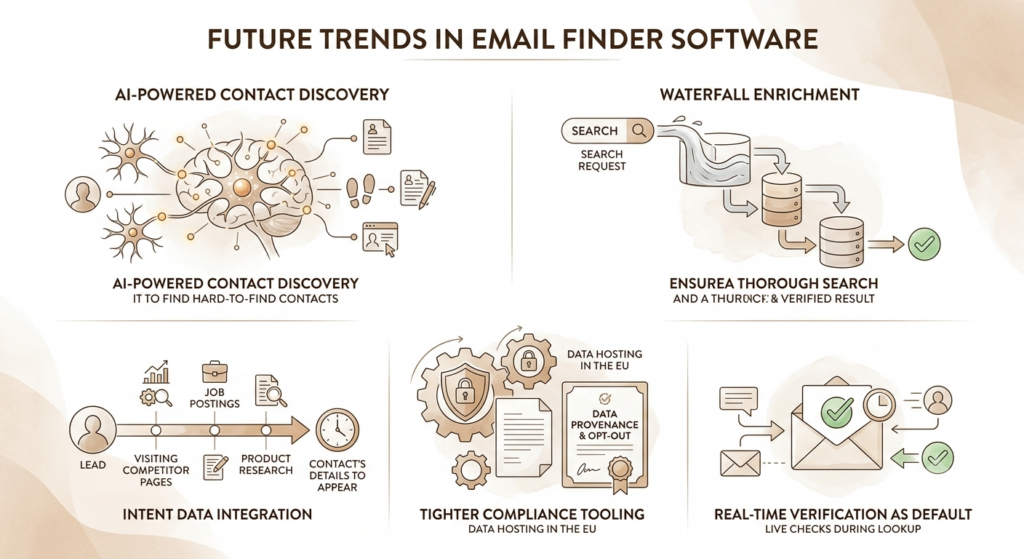
Next-Gen Trends in Software-Driven Link Building Technology
A (LockA locked padlock) or suggests you've safely connected to the.gov site. Share delicate details only on authorities, safe sites.
Paste any business's website and we'll check it for you in seconds you go shopping, pay, or share your details. Friendly, totally free, and no account needed.example-shop. comSample trust report.
Fraudsters have actually constantly been great at making fake websites look real, even when there were some indicators wrong grammar, typos, pixelated logo designs. In 2026, legitimate and phony sites can look extremely comparable. Generative AI can produce copy with best grammar and spelling as well as premium web pages and UI layouts.
This guide breaks down 11 approaches into 3 categories high-confidence tool-based checks; manual confirmation that still works; and old-school indicators that have mostly lost their worth. WHOIS Lookup provides you registration data for a domain, consisting of when it was created, who registered it, their contact information, and which registrar processed the registration.
For third-party verification or to make sure that you were not sent a fake website by a vendor you were looking into. Some things are worth checking:: Does the domain creation date line up with the company's claim of for how long they've been in the industry? Not surprisingly, some might have been late to adopt digital technologies, but a lot of legitimate companies have had sites for many years, not weeks.: A lot of WHOIS records today are partly redacted, but the registrant country is still present.